So, What Is DLC Doing to Our Favorite Video Games?
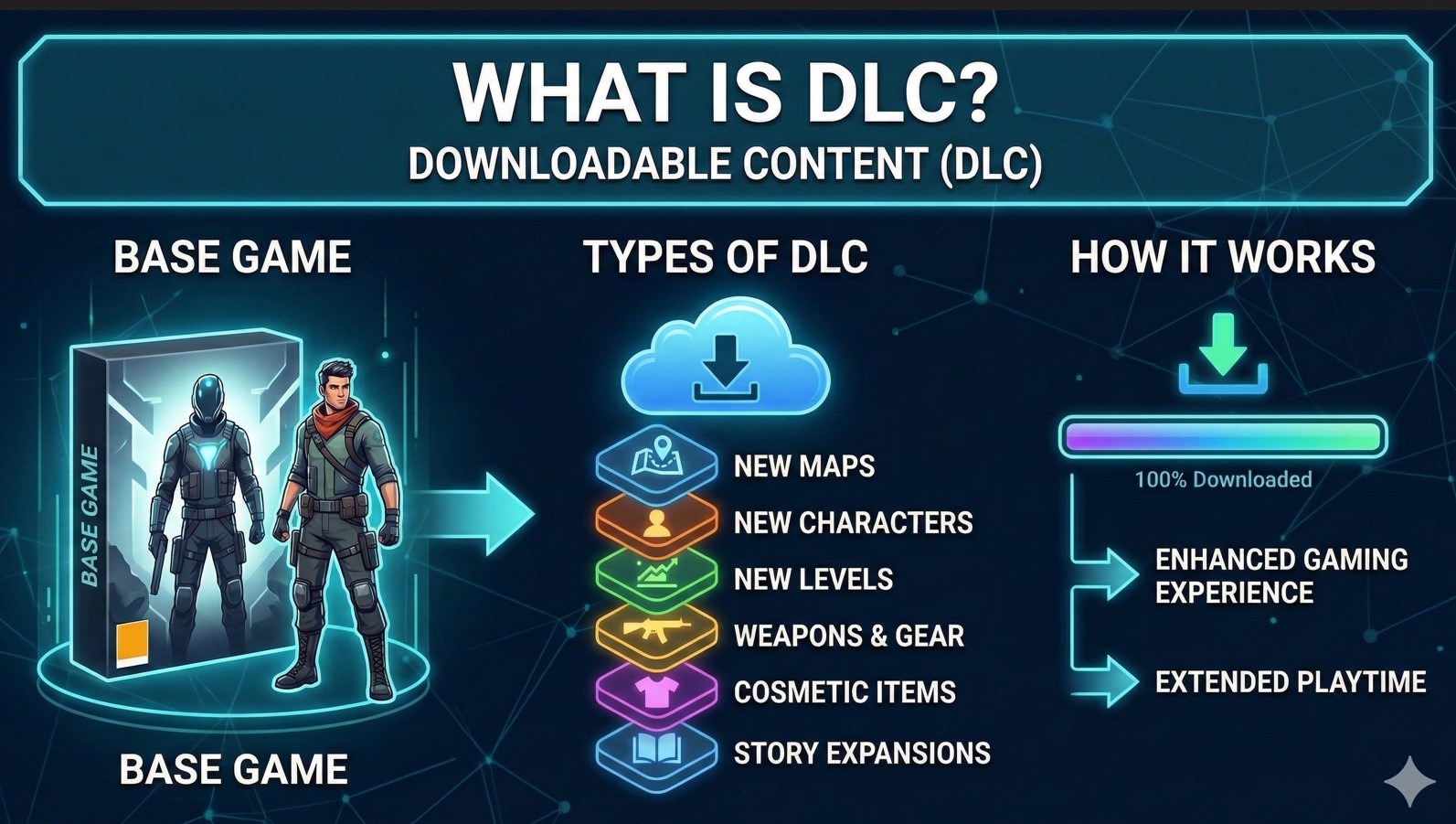
I constantly catch myself thinking about how much gaming has changed since I was a kid. You buy a fresh title today, and the main menu immediately tries to sell you five different add-on packs. If you recently picked up a controller again, you might be staring at the screen asking what is DLC exactly. It simply stands for downloadable content. Basically, it is extra digital stuff you download to add to a video game after you already bought the core game.
Sometimes developers hand it out for free, but usually, it costs real money. Honestly, understanding what is DLC can save you a lot of confusion at the digital checkout. The gaming industry relies heavily on this extra content to keep servers running. Let me explain how this whole system shifted the way we play.
A Quick History Trip Back to the Cartridge Days
Let me take you back a bit. I played the absolute heck out of Wrestlemania 2000 on my old Nintendo 64. When I brought that heavy plastic cartridge home from the mall, that was it. Older games were completely static. There were no online patches. If my favorite wrestler had the wrong boots, they were stuck with those boots forever.
The thing is, high-speed internet changed everything. Developers realized they could keep sending data to your console long after launch day. I personally love that a game can get new levels months later, but it totally killed the magic of buying a finished, perfect product on day one.
The Different Flavors of Extra Content You Will See
So here’s what happened when developers figured out they could keep selling us things. They split these digital additions into a few different buckets. I always check exactly what kind of extra content I am buying before spending my cash. Here is what you will typically find:
- Massive Expansions: These add brand new story chapters and fresh characters. Think of them as a mini-sequel grafted onto your current game.
- Cosmetic Items: This stuff just changes how things look. Cosmetics do not make your character stronger.
- Convenience Packs: Sometimes a studio will sell you faster travel options. I honestly find these a bit annoying.
Finding the Answer to “What Is DLC for Sports Games?”
I have always been a massive fan of sports titles. Whether I am checking Canadian baseball stats or simulating an entire football season, sports games handle digital additions in a very unique way. When you wonder what is DLC in heavy hitters like MLB The Show or EA Sports FC, the answer is usually virtual cards. You are basically buying digital trading cards to build a dream roster. It is a completely different vibe from story-driven roleplaying games.
| Feature Category | Story-Driven Games | Competitive Sports Games |
| Main Appeal | Extra story chapters and huge maps | Fresh player cards and updated rosters |
| Payment Style | Usually a one-time flat fee | Often relies on random packs or virtual coins |
| Lifespan | Stays relevant for as long as you play | Value drops when the next yearly edition hits |
The Microtransaction Elephant in the Room
You cannot talk about extra downloads without mentioning microtransactions. Gamers complain about them constantly online. And they absolutely have a point. The idea of paying three dollars for a virtual t-shirt sounds ridiculous. But I have a confession. I have definitely bought a flashy jacket for my favorite digital character. Small purchases sneak up on you fast.
The psychology behind it is brilliant. They offer something tiny, cheap, and instantly rewarding. You might grab a free-to-play shooter, thinking you are saving cash. Six months later, you realize you spent eighty dollars on neon weapon paint. It happens to the best of us.
When Does Buying a DLC Actually Mean a Whole New Game?
But it is not all doom and gloom. Sometimes, figuring out what is DLC leads you to some of the absolute best experiences in media. I am currently keeping a close eye on roadmaps of new content for the popular shooters like Arc Raiders. When developers listen to their community, a huge expansion can completely rescue a struggling game. They fix the annoying bugs, tweak the physics, and drop a massive chunk of fresh gameplay.
Here are a few signs that a paid expansion is actually worth your hard-earned money:
- It offers a brand new playable region to explore.
- It introduces fresh gameplay mechanics, rather than just throwing harder enemies at you.
- The price matches the playtime. Paying twenty bucks for ten solid hours of fun is a really fair trade.
Season Passes and Roadmaps Explained
We need to talk about the concept of season passes. This is basically a bundle deal for future updates. Instead of buying four separate map packs over a whole year, you pay one big chunk of cash upfront. You then receive everything as it officially launches.
Buying a season pass is a leap of faith. You hand over money before the digital items even exist. Sometimes it pays off beautifully and saves you cash. Other times? The studio rushes the final updates and you feel completely cheated.
| Buying Strategy | The Big Benefit | The Hidden Risk |
| Buying One by One | You only pay for what you actually want and review first. | You end up spending slightly more overall. |
| The Season Pass | Cheaper overall if you plan to play all year long. | You might get bored of the game before the final drop. |
This might help you decide next time a game asks for an extra forty dollars at checkout. If I do not plan to play a game every single weekend, I skip the pass entirely.
Keeping Your Wallet Safe From Hype
It is incredibly easy to get swept up in the marketing hype when a new update drops. All your friends are playing it, the trailers look amazing, and you feel the pressure to buy in. But you have to protect your bank account. Patience is your best weapon here. I always try to wait a few days before hitting the buy button.
Here is how I stop myself from overspending on digital extras:
- I wait for actual player reviews, not just glossy trailers.
- I ask myself if I will still be playing this specific game next month.
- I wait for seasonal digital sales, since these add-ons almost always go on discount eventually.
Are We Paying for Unfinished Projects?
This brings up a rather spicy debate. Are massive companies cutting stuff out of the main release just to sell it back to us later? I see this argument on forums every single day. And sometimes, yes, it feels blatantly obvious. You reach a dramatic cliffhanger ending, and a message pops up saying the true conclusion drops next month – for fifteen dollars. That leaves a terribly sour taste. But there is a catch.
Video games are unbelievably expensive to create right now. Development teams need a steady cash flow to fix bugs and keep servers alive after the initial launch month. Still, it pays to be a cautious buyer.
Wrapping Things Up
The gaming landscape shifted, and we are certainly not going back to the old cartridge days. This entire system of digital additions is here to stay. It gives us incredible, evolving worlds that can last for years on end. But it also gives companies a very easy way to empty our pockets if we are not paying close attention. The real trick is knowing what you actually value. If a shiny new skin makes you smile after a long, hard day at work, go ahead and grab it.
If a massive new story chapter gives you an excuse to call up your gaming buddies for the weekend, that is money well spent. Just play smart, read the reviews, and remember that you never actually have to buy anything extra to have a wonderful time.